Off-Grid 101
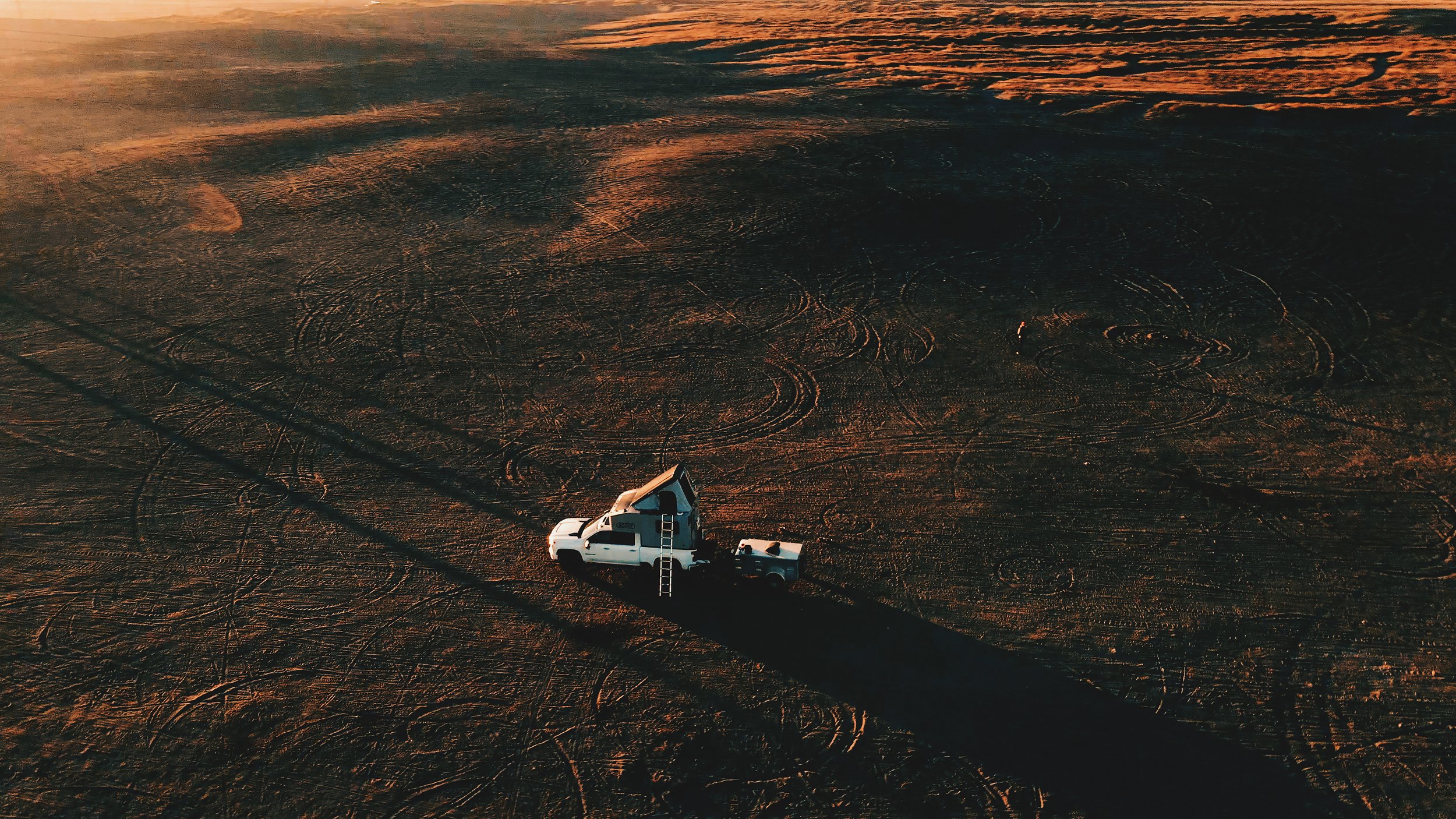
OFF THE GRID // Moses Lake Sand Dunes, Washington - where utilities exist only in your imagination.
On the slippery slope of outdoor addiction, few experiences deliver the magic quite like boondocking in the middle of nowhere. In the vast landscape of the USA’s 640 million acres of public land, you’re sure to find a selection that reminds you why you work as hard as you do earning these precious moments away from home. They take shape in the form of National Forests, National Grasslands, National Parks and other public lands hiding in plain sight. Even better? Although rules vary by state, most have a 14 day stay allowance before you have to pack up and reset the GPS. Free, is a delightful nightly price.
To not just survive, but thrive in these dark sky coordinates void of all human invention, some ground rules and 101 knowledge will get you far. I’ve been lucky to travel and camp all my life. Back when I was fiscally responsible required to reduce the nightly rate to $0, some National Forest Land and a tent was all I needed.
As you experience some of the incredible locations you can truly sleep for free across the country, you’ll quickly find the idea of staying in a shitty hotel revolting during long road trips. In the last five years alone, I’ve spent around six-months worth of evenings camped out “boondocking” - without utilities of any kind across 40 states. Read on for my best resources, lessons learned and hopefully some entertainment in the land that time forgot.
NOTE // This is NOT a guide to 4WD vehicles or “off-roading” - this is about going off-the-grid and camping overnight in “dispersed camping” environments, also known as dry camping. While I enjoy a good 4WD adventure every now and then, primarily I’m only needing 4WD as a backup or if I’m traveling through an OHV area or pre-established off-road trail I know I can tackle with whatever rig of choice I brought to camp. Almost* all of the locations within the Travel Library do not require 4WD and are tagged accordingly.


Preparing for your off-pavement adventure
A lifetime worth of locations exist across North America where it’s legally encouraged to make camp for the evening. As you ponder this new form of travel nirvana, your mind will quickly turn to where you’re going to stay and what you’re going to sleep in. There are truly no wrong answers for either category. The mystery is part of the fun. Let’s break these down one at a time before digging deeper into the how-to with exact resources and links further below.
Where to stay? Perhaps the most fun question of all - If this is what’s driving you (the scenery) - well you are in for a treat. The resources for finding specific locations are nearly endless. You could scroll endlessly on Instagram, bookmarking anything that catches your eye and make yourself a promise to attack one of the trips before the end of the year (a great option). There are guidebooks, travel blogs, websites like the one you’re reading now and enough reddit forums to drive a person mad. The most important thing in all of this is that you commit to actually going somewhere.
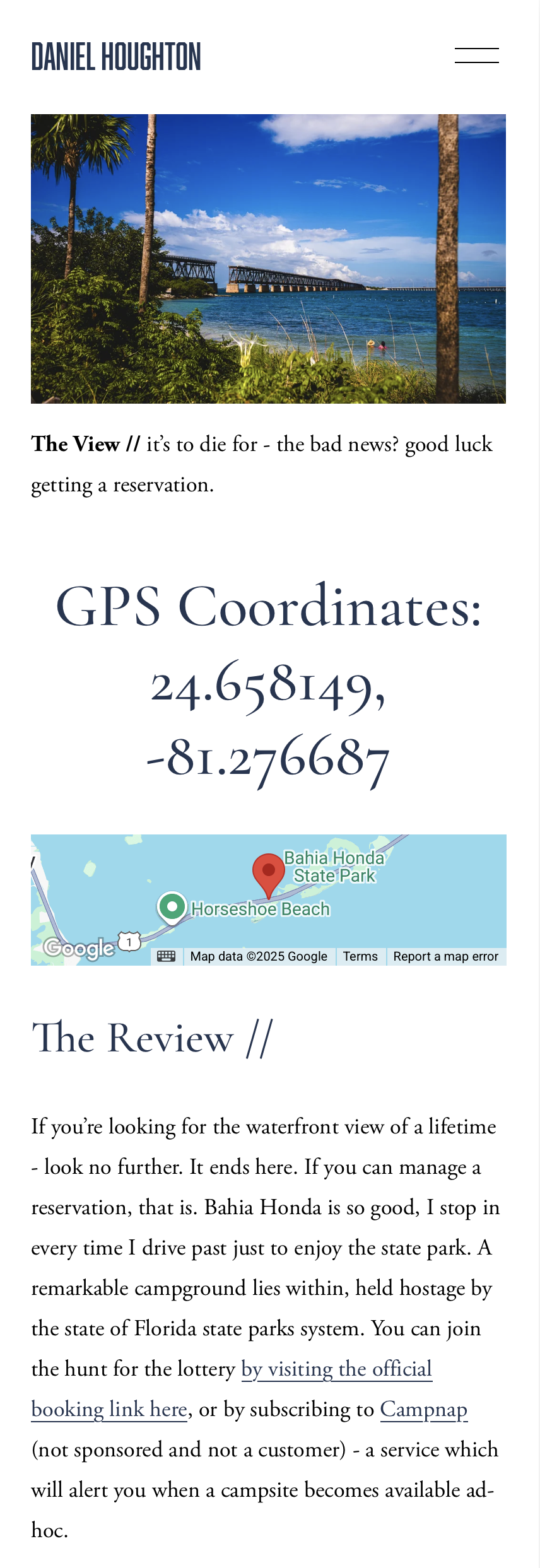
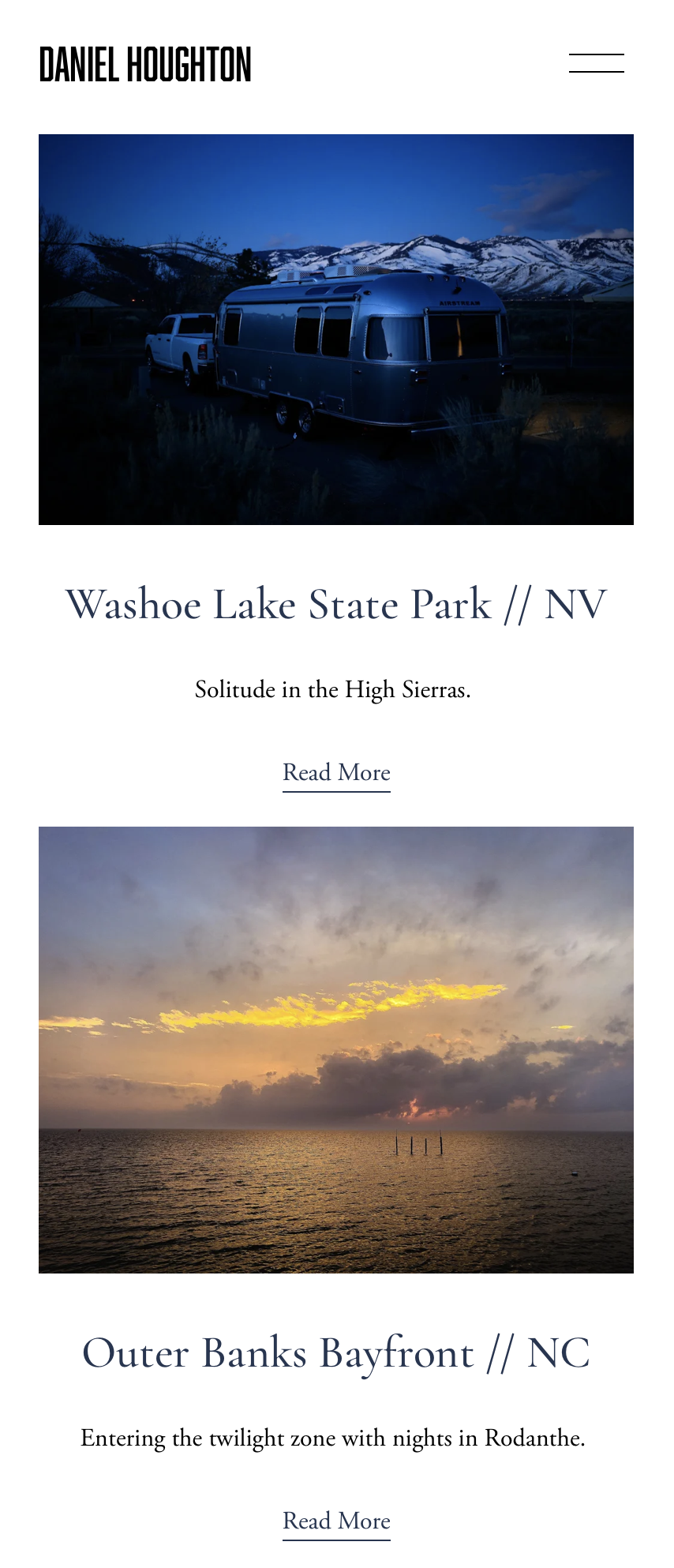
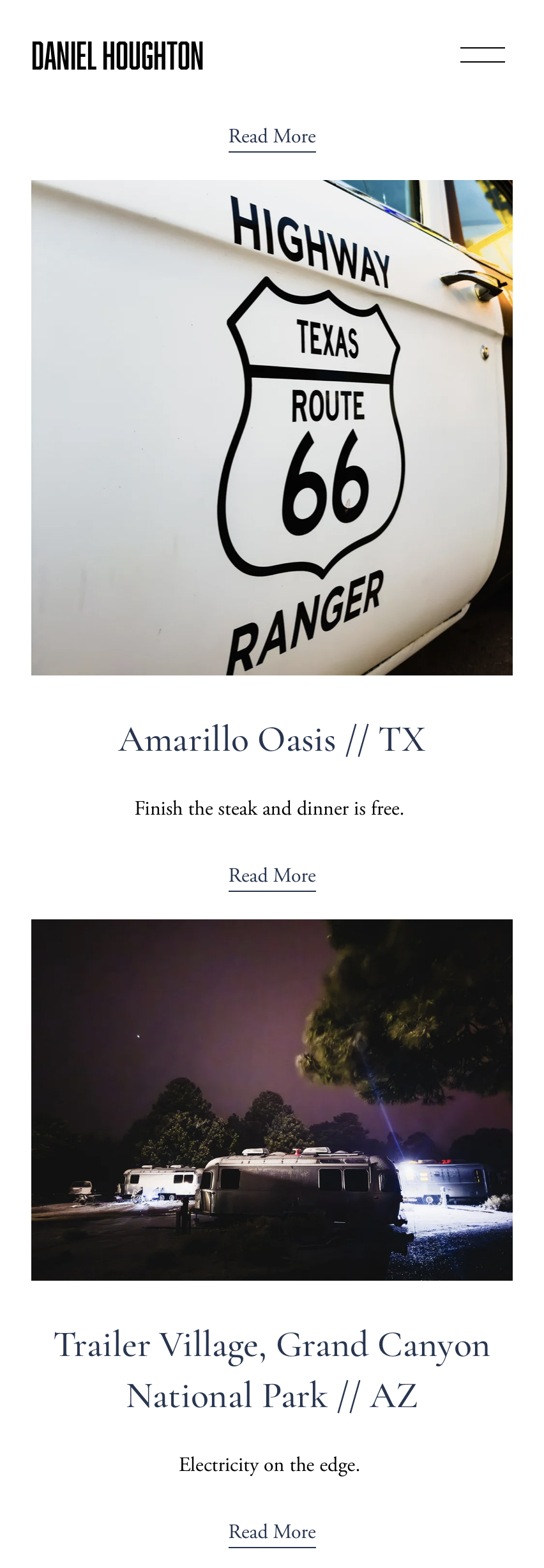
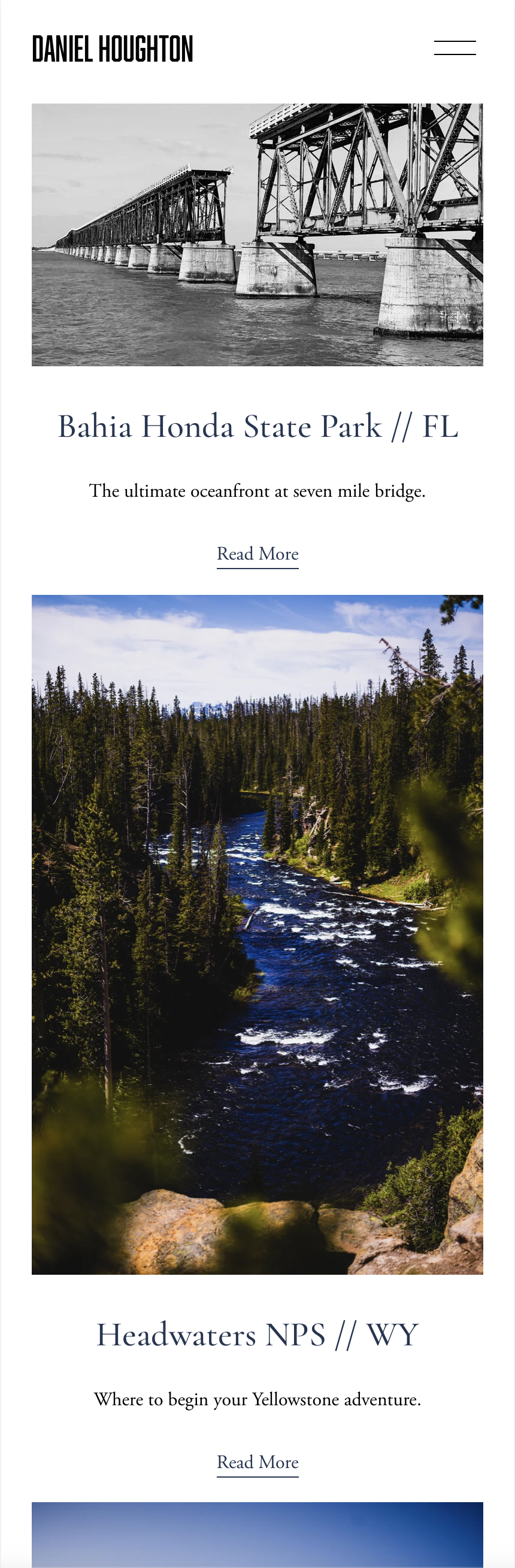
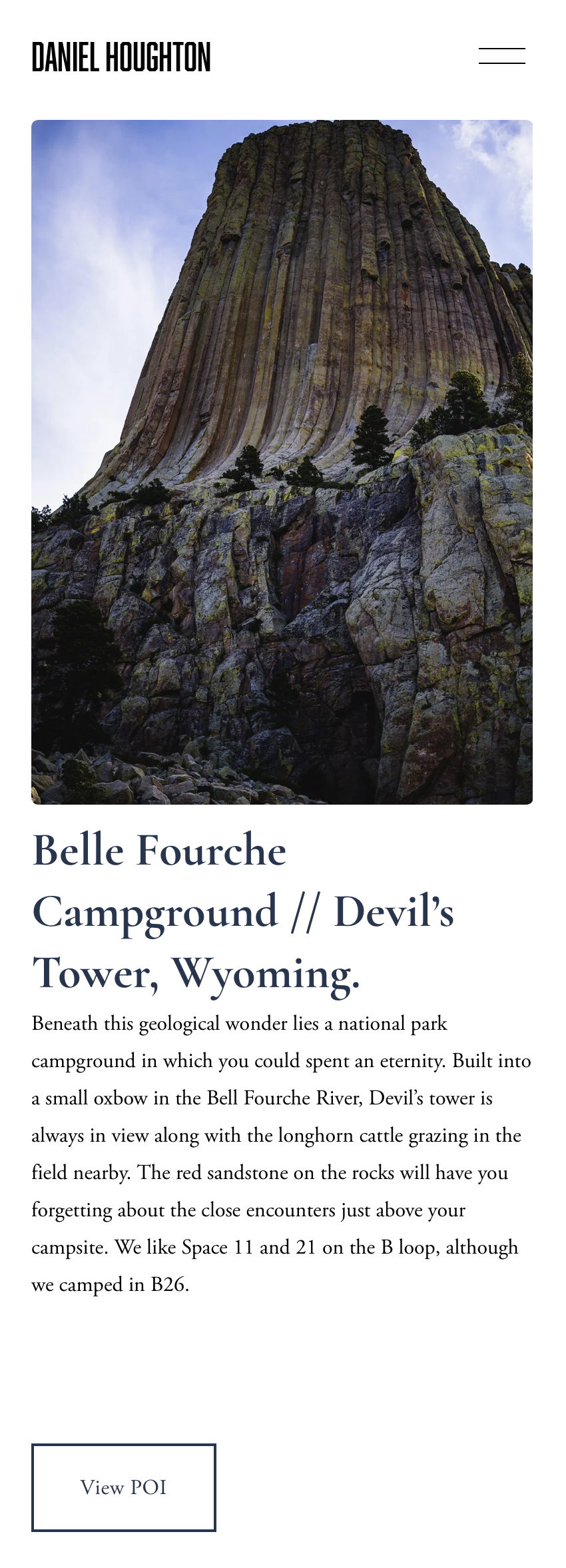
I built the Travel Library database (preview above) so I could have my own visual menu of places I had been across the USA. I’ve found that travel paralysis can easily be cured with “pick a photo and go”, knowing all my notes from the location are loaded and ready to dig into again. After doing this for over twenty years, you learn that finding your way back towards a place you thought would be easy was… not so easy after all. GPS coordinates with maps for each page showing the specific pin drop are included. If you want to check out a campsite outside the paywall, find my favorite NPS site in the entire country linked here.
What are we sleeping in? And how comfortable we talking? Now we’re into the real questions. What are accommodations looking like in this new land of free sleep? Before thinking through utilities which we will dig into below, perhaps consider what you’re willing to live without. Get that list as long as you can and you’ve got the makings of your own personal requirements for cross-country travel. The bonus is - the more you can live without, the less expensive your travels will be. Simple is always better.
A tent is magical right up until the moment it isin’t (severe weather), as is the allure of sleeping inside your SUV where you swore you fit well in the driveway test but haven’t slept good since leaving home. Before we dig into my top selections you should hear this - in no way, shape or form is any kind of fancy overland equipment required to (checks notes) GO CAMPING. You could outfit yourself from a military surplus store all under $150 and have most of what you need if you’re truly on a budget. As you get older and less tolerant of crawling out of your tent on the ground in the cold, or reaching up to start the car that you slept in the back of the night before, a near endless array of options exists for creating a living room on wheels. If you’re going to spend your hard earned money on something, go for longevity and durability as the road is one bumpy ride.
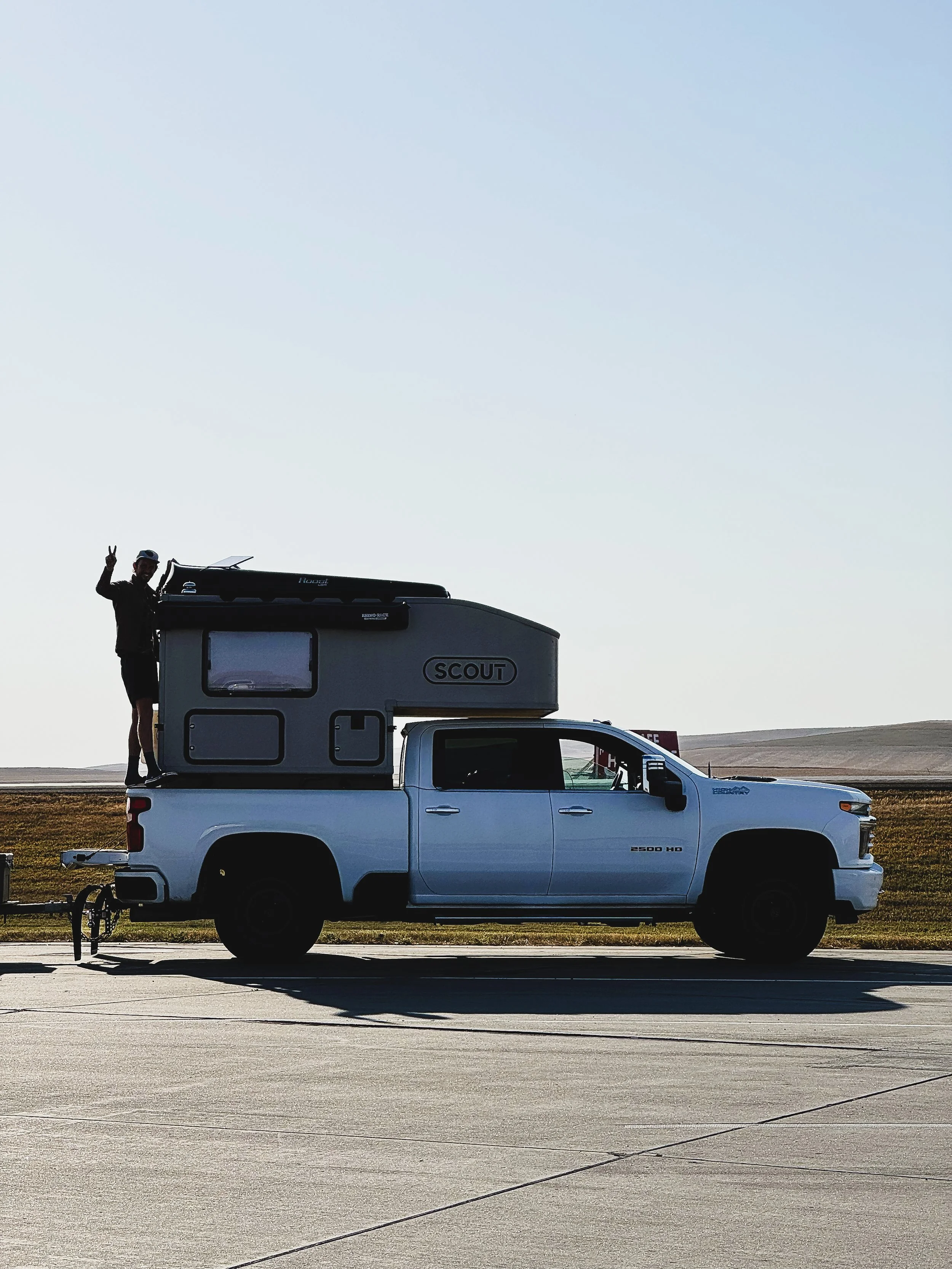
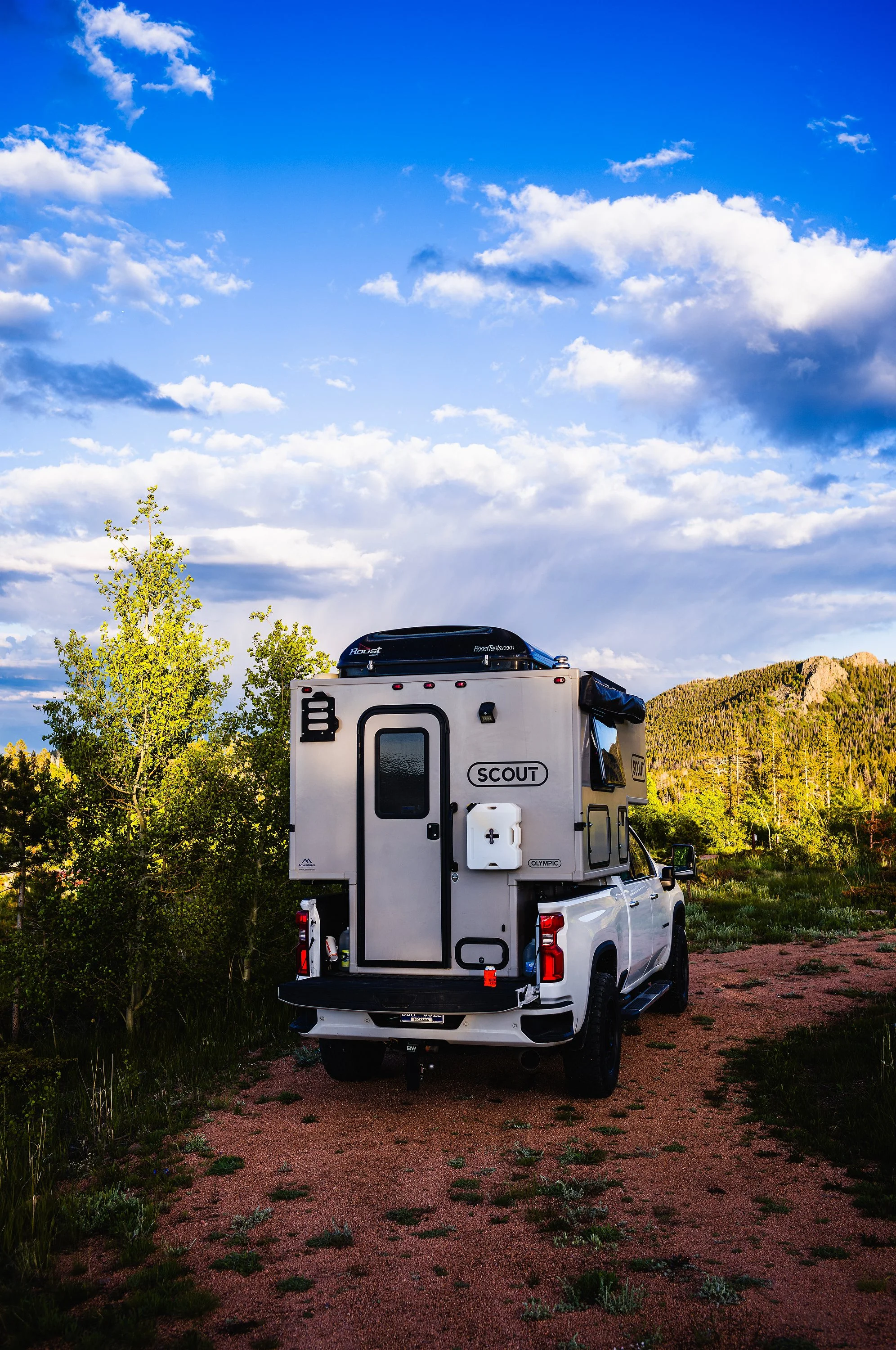
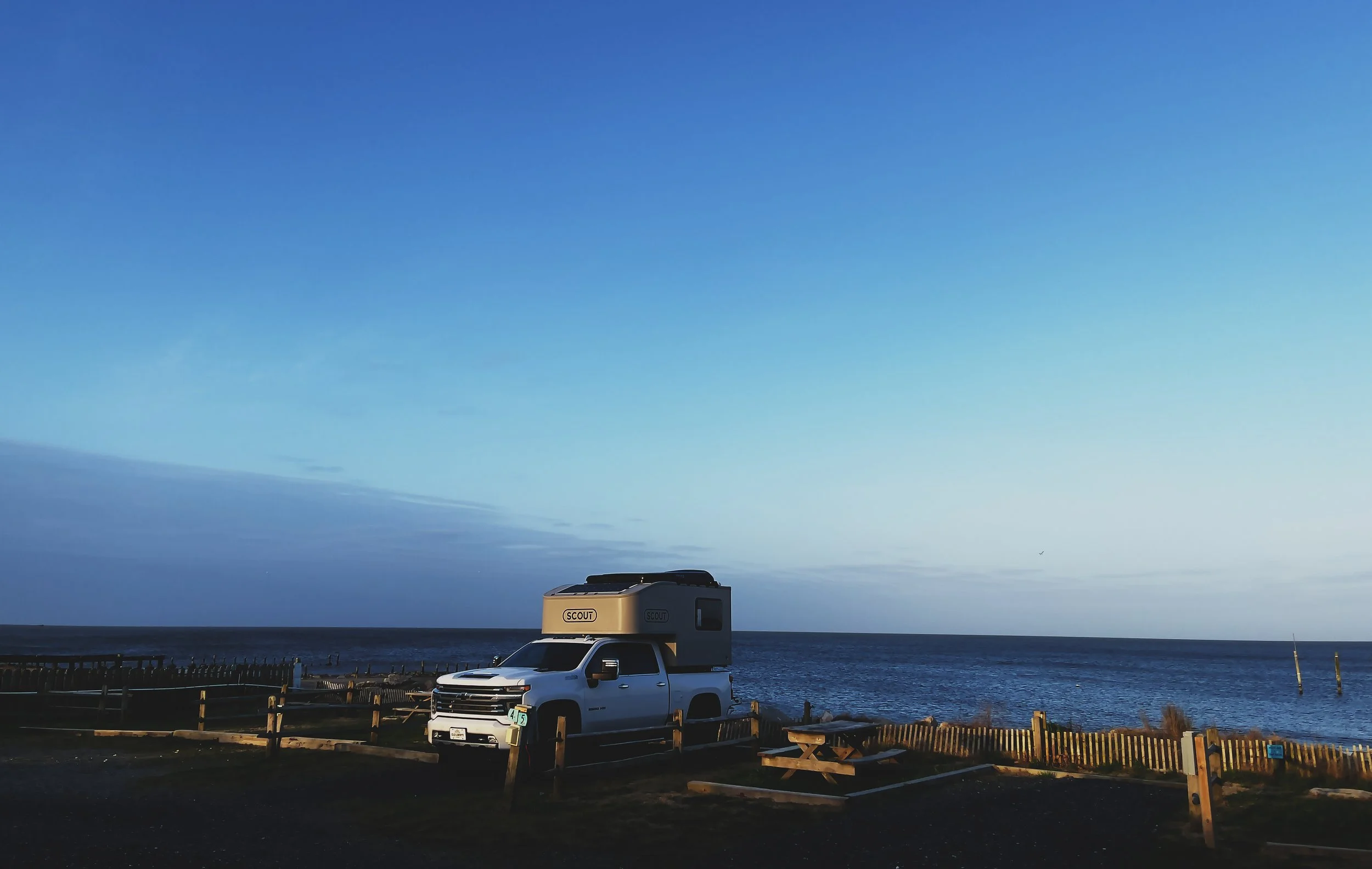
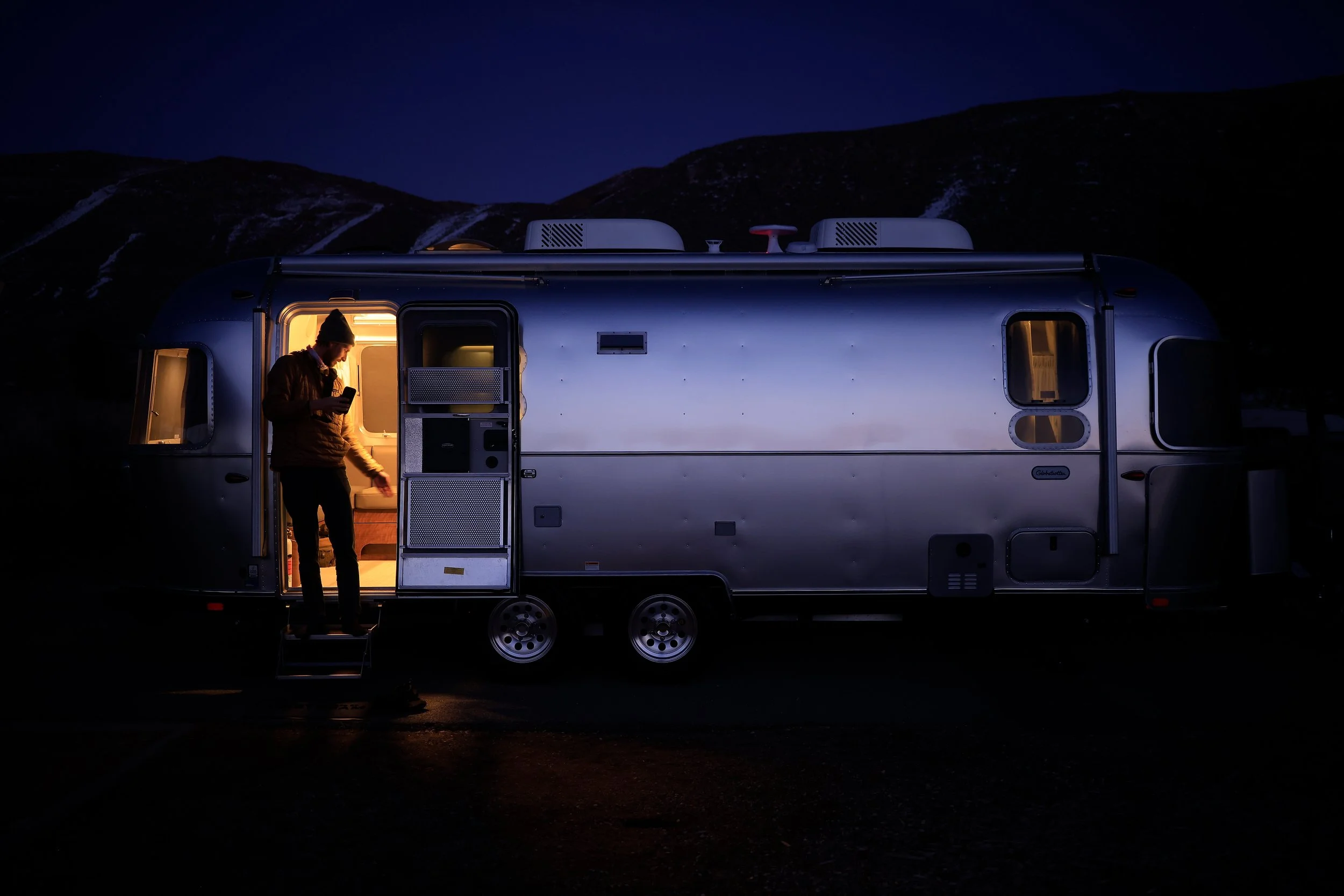
If I tried to dig into the depth of options you have to choose from across the vast world of tents, recreational vehicles and overland rigs, not only would I be unqualified, you would fall asleep before reaching the end of the article. Instead, I’ll keep it simple and tell you I’m either traveling in my Scout Olympic Truck Camper, or 25 ft. Airstream Globetrotter. One excels at off-grid and cold weather long-hauls, the other is perfect for bringing the family with all the comforts of home. In all honesty, I think the Globetrotter is nicer than my house, which could explain why we spend so much time traveling with it as a family.
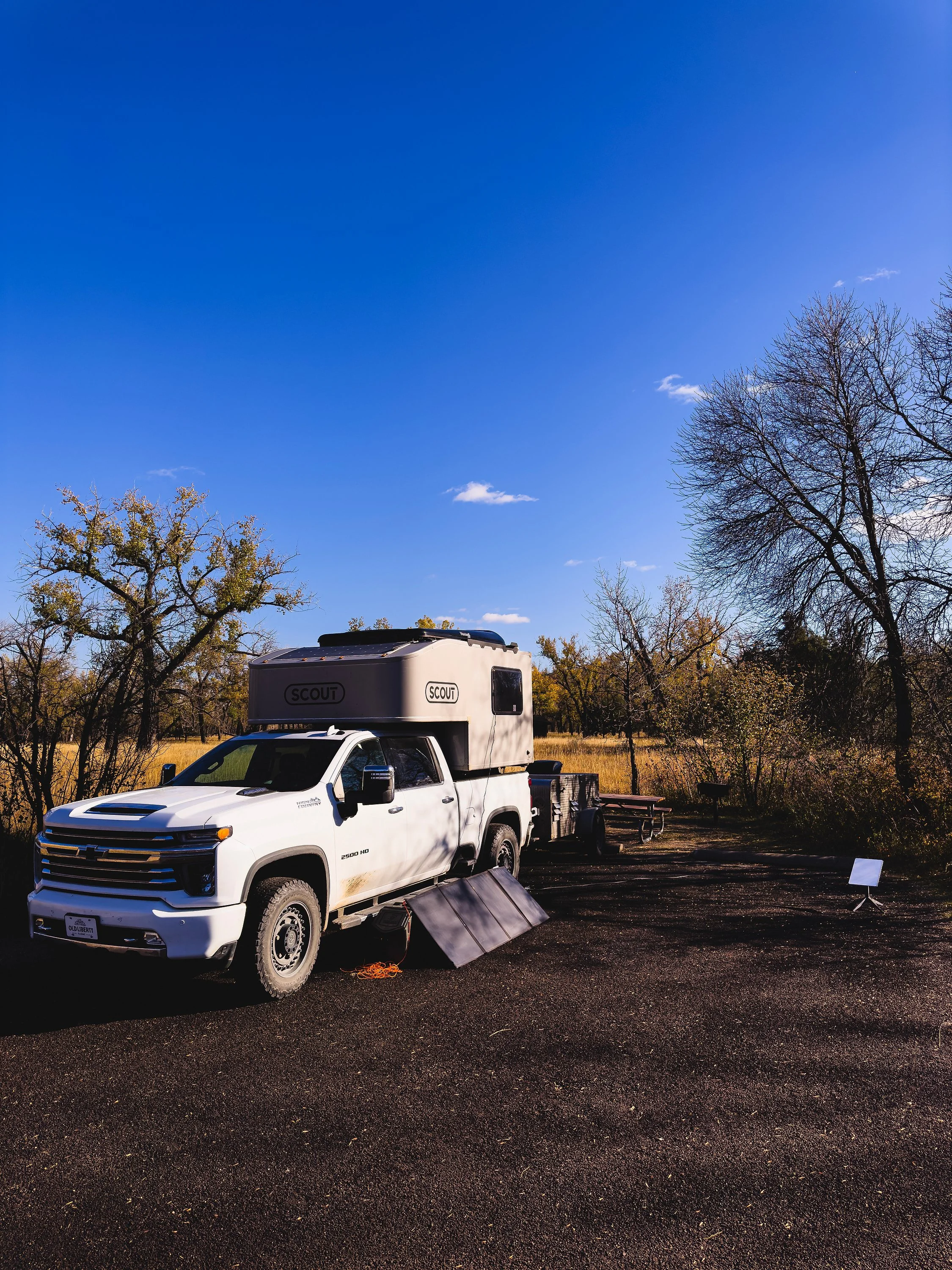
When I’m heading out solo with less than concrete plans, the Scout is always onboard. With the exception of a few drive-through lanes during road trips, it goes anywhere the truck will. It does all this while keeping you warm with an onboard propane sailboat fireplace which I’ve used in temps as low as 5 degrees Fahrenheit. Combined with 175W of solar on the roof and a 1500W battery bank, there is little the Scout can’t do aside from air conditioning.
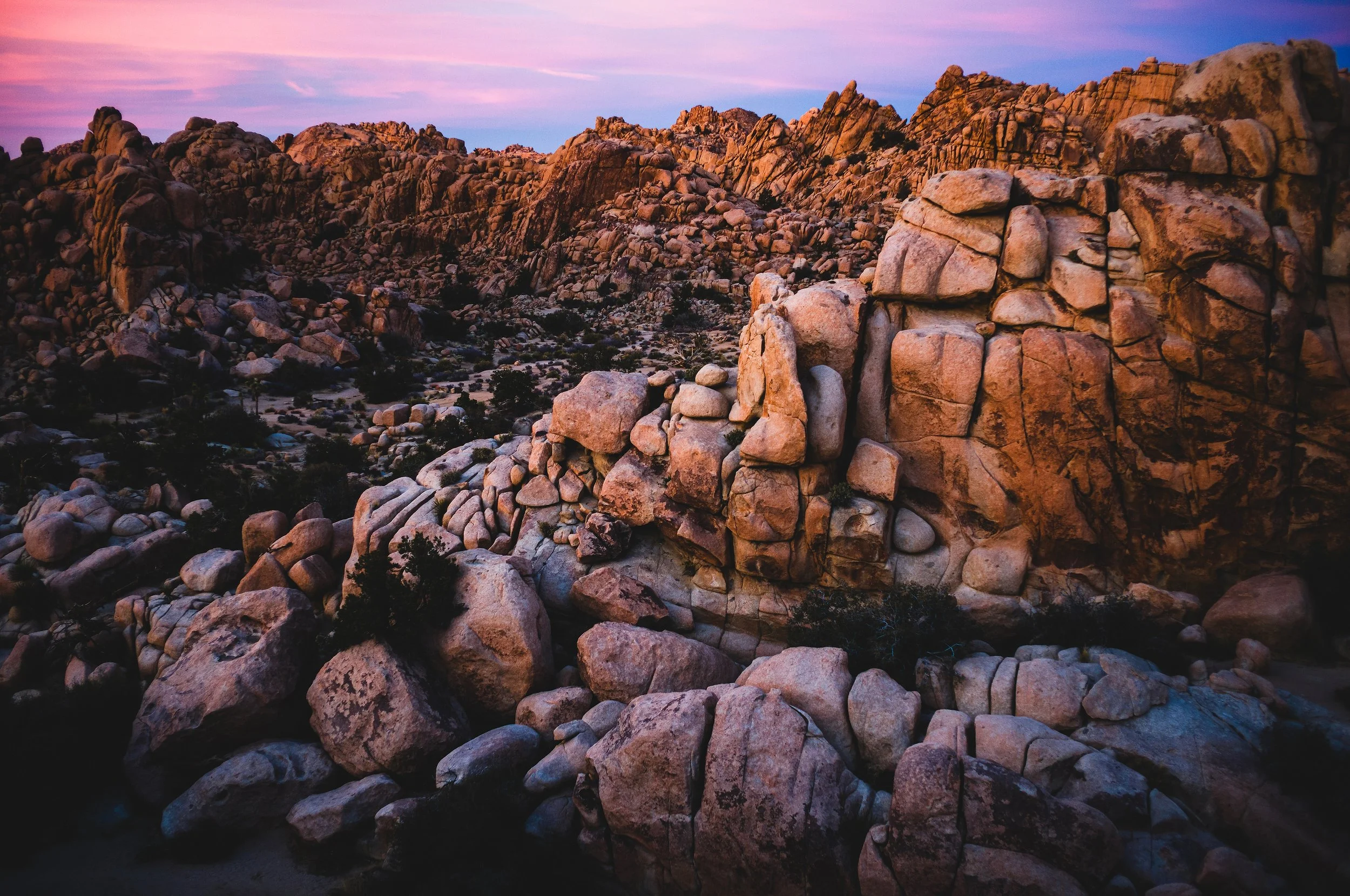
Mastering the Bare Necessities // core utilities
Water //
If you only get one thing right on the utilities, just don’t run out of water. For you, your traveling companions, your dog - nothing else can or should come first on the list. If you need something simple that’s totally reliable, can take a beating and go nearly anywhere - pick up a Scepter 2.5G container. If you need filtration, the LifeSaver Jerrycan system with charcoal filter is a lot more expensive but comes with peace of mind. I have one of these containers mounted in my Scout Olympic and although you can technically get water out of a stream and drink safely using this filter, I’ve sure never had to. Knowing you could if you needed* to is a really nice piece of mind.
Finally, one to avoid - any sort of soft sided / bladder style containers. I’ve seen every comedy filled, physics-gone-wrong version of this that exists at National Park campsites around the country. About as good of an idea as water beds used to be. Avoid at all costs.
Water does all sorts of fun stuff when you haul it a few thousand miles across the country in a tank - freezes, leaks, and shut off public faucets never happen when you think they will and the container never busts at a convenient time. Water is also heavy, so I almost never load to full capacity or past a nominal amount to get me there until I get further down the road. No reason to burn extra diesel fuel if you don’t have to.
If you want to spend some money on something you’ll use for a LONG time that despite my best attempts I can’t seem to break, get yourself a few Rotopax - for water, for extra fuel, just mount them upright and not fighting gravity on the rig. I have two mounted on the back of the Scout for emergency water.
Power & Enegry //
Welcome to the land of endless spending. Perhaps the most slippery slope in overland addiction, your choice for generating, storing and utilizing electricity can be had anywhere from $100-$100,000. The first place to start here is where your power is generated. Unless you’re attempting to run AC on a Airstream, a traditional gas / internal combustion gas generator is overkill. Solar generators (think, a bank of heated lithium-ion batteries) made by GoalZero, Anker, or DJI are all excellent options. Redundancy is a good thing on the road when you’re far from home, so having multiple options and keeping devices topped off is the first best practice to off-grid power survival.
Always start with your car - what can you charge and power while your engine is running? Understanding what excess electricity you can harness while going down the road will save you a lot of time and heartache. Adaptors abound for 12v outlets, USB type A -> C and vise-versa. Alongside your car, a solar charging generator / battery bank is the logical next step. I travel with two Goal Zero Yeti 1500x devices, alongside a 200W Nomad solar panel.
The other major energy source you need to have a plan for is propane. From powering your camp stove and ensuring dinner is hot to running the fireplace during cocktail hour, a little gas goes a long way. All the way up and down the financial scale of overland camping you’ll find propane solutions for heating and cooking. My favorite uses on the road start with the #1 - hot showers in the Airstream Globetrotter, followed closely by powering my Dickinson propane fireplace in the Scout Truck Camper.
For quantity, I travel with only 10lbs of gas most of the time. You would be shocked how far that amount will get you powering a stove and fireplace. Propane is readily available on the road across the whole of North America - aside from some minor price gouging, procurement has never been a stress.
Internet & Communications //
The easiest one on the list, so long as your have your power situated above so you can endlessly run a 30-50w connection on Starlink Mini. I could go on about cell phone tower signal boosters and Garmin InReach satellite systems - all are excellent - however it would be a waste of digital ink. Since joining the “better than nothing beta” program in 2021, Starlink’s uptime and overall reliability have been flawless.
I’ve owned three different generations of receivers and aside from continually improving on the speed of service and energy efficiency, Starlink has only ever worked perfectly (just aim for the open sky!). As a photographer, you can imagine I push a lot* of data through Starlink connections. For local comms among the overland crew, I use Rockie Talkie radios. Opt for the 5W version to ensure vehicle-based communication has as much distance as possible.
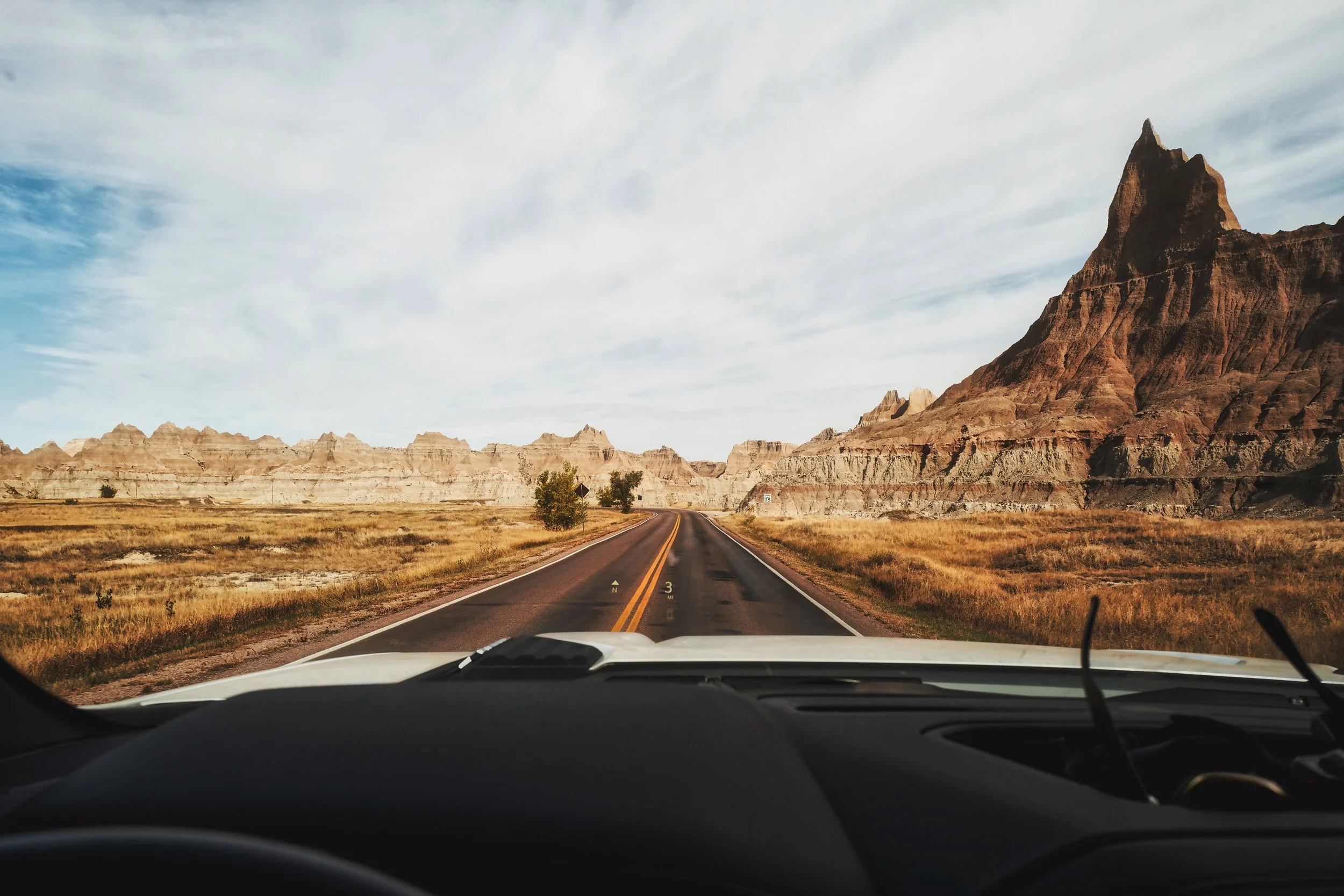
Boondocking the Badlands // for a peak into South Dakota’s off-road adventures, check out this postcard from the blog.
Where and how // Resources to get you off-grid
iOverlander - My original love in overlanding apps started here. Historically, there’s been little better than iOverlander for directing you to crowdsourced, GPS based “load into Apple or Google Maps and take me there” options for boondocking / dry camping. Lots of other features are built in like the ability to find water fill-up stations and repair shops, but the real prize is the crowdsourced reviews. Unlike most useless Yelp or Google reviews where everything becomes three and a half stars by default - you have to imagine people that take the time to download a bespoke app, try a place to sleep based on reviews - and then warn you about the people that come knock on your door telling you to leave in the middle of the night are only trying to help a fellow traveler out.
I aim for locations with lots of recent data (think inside of 18 months) with pictures or I’m not taking the time to drive and scope it out. What you’ll find is a wealth of incredible locations across the country that haven’t been stitched together anywhere else at this level of scale or trust in data. Lots of city parks with clearly marked “camping one night allowed” signs or otherwise legally blessed locations are to be found within. I primarily use this when transiting the country on the way to my destination when not looking for the time or money commitment that comes with making a reservation at a full blown campground or state park.
OnX Off-Road - When you’re further off the pavement, the portfolio of apps from OnX Mapping is hands down the best in the business. This app + a Starlink mini connection suctioned into your sunroof could navigate you across the surface of the moon. That’s a good thing, because the further off-road you travel, the more “moonscape” you’re going to find. The reviews from other 4WD enthusiasts are helpful, but 99% of the time I’m using this app to check trail conditions and ensure I’m driving on the land I think supposed to be on. It also shows you the details of who manages the land you’re on (state vs. federal lands) and nearby - a la, private property owners where knowing a last name and addressing them with Mr. or Mrs. “new best friend” if you’re stuck nearby can turn a bad day around fast.
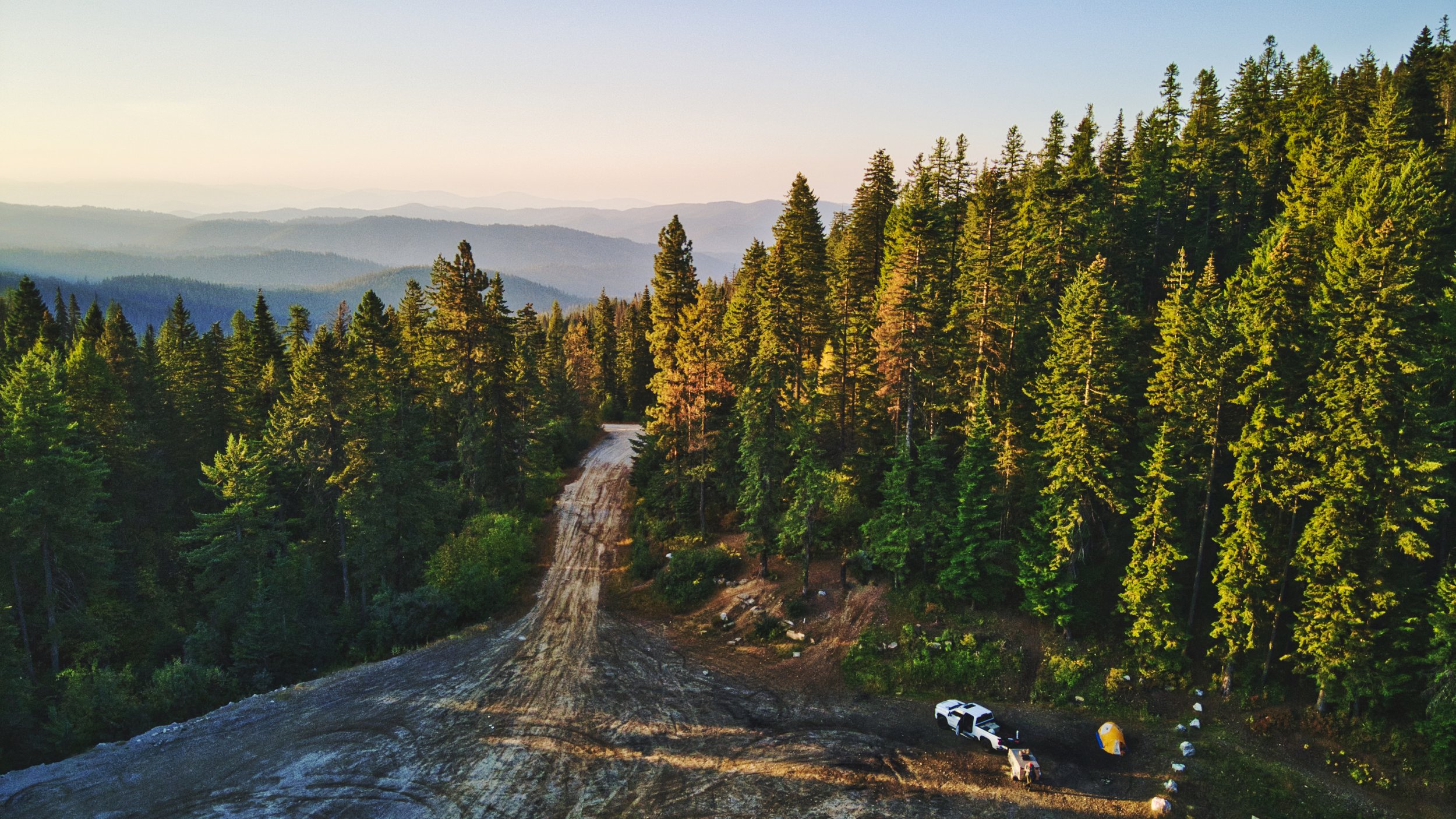
Off the Grid // Idaho National Forest - a unique evening I’ll not forget, with more than a few lessons learned along the way.
Weather - Before I push you towards any particular “crap app” as the real meteorologists call them - based on their propensity to produce wildly inaccurate models several days out that could talk you into or out of your trip altogether - let’s just take a moment on weather 101. The conditions and climate dictate everything you do on the road, from driving safely to how long your lithium-ion batteries hold a charge (or take one from your solar panel on a cloudy day). You would have to be fully foolish to head out anywhere into nature without some basic knowledge and as much of the latest data you can get your hands on. I can’t teach you to read the clouds - hell I failed science in high school. I can tell you that you need a combination of technologies and diversity of sources to keep yourself safe.
Once you do, realizing you’re traveling through the Arizona mountains towards the Grand Canyon towing 8,500 lbs of silver bullet Airstream through a snowstorm you didn’t see coming is just another day on the road. For my favorite combo in the USA, I still use the OG Weather Channel App (a radar pattern I’ve been looking at since 1988), Ryan Hall on YouTube for both long range forecasting + severe WX alerts and AccuWeather on desktop. I also carry a marine radio which picks up NOAA broadcasts locally 24/7 as an emergency backup if all internet and other radio goes to shit. When in doubt, don’t take any risks - you would be shocked how fast you can become dehydrated / hypothermic / lost and disoriented when nature takes a turn you didn’t see coming.
Mapping - Let’s start with the fun stuff - the printed maps. Nothing will give you a better sense of scale and direction than looking at an 11x17 page of a DeLorme Oversized map. I’ve written about them before on the site, so let me skip to my second favorite printed product that has fast become my single source of center console navigation - the National Geographic USA Adventure Edition. Covering all 50 states, I can flip through the spiral bound book easily at stops instead of carrying what can sometimes be 8 books worth of DeLorme editions for the states I’m traveling through.
While the paper maps give me more trust than their digital counterparts, when it comes to iPhone / Mobile based navigation I primarily use Apple Maps as my default over Google. They are of course, nearly interchangeable, but I find the renderings of the landscape and buildings much more accurate in Apple Maps. If you’re in a big rig or something with larger than life overhead clearance, Garmin makes dedicated GPS units for truck drivers and RV’s.

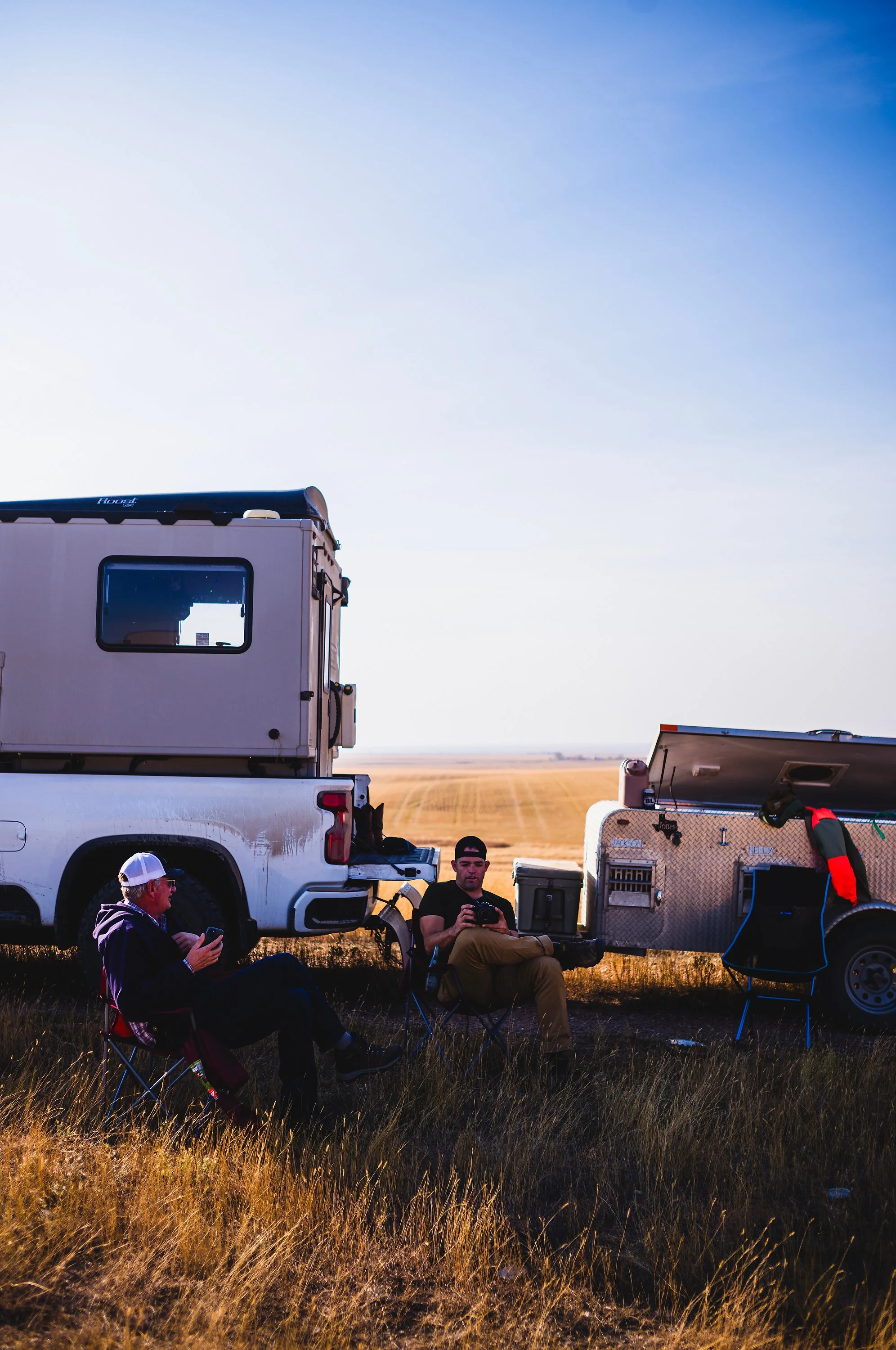
Off the Grid // Moses Lake Sand Dunes is a stellar location for reenacting scenes from Max Max.
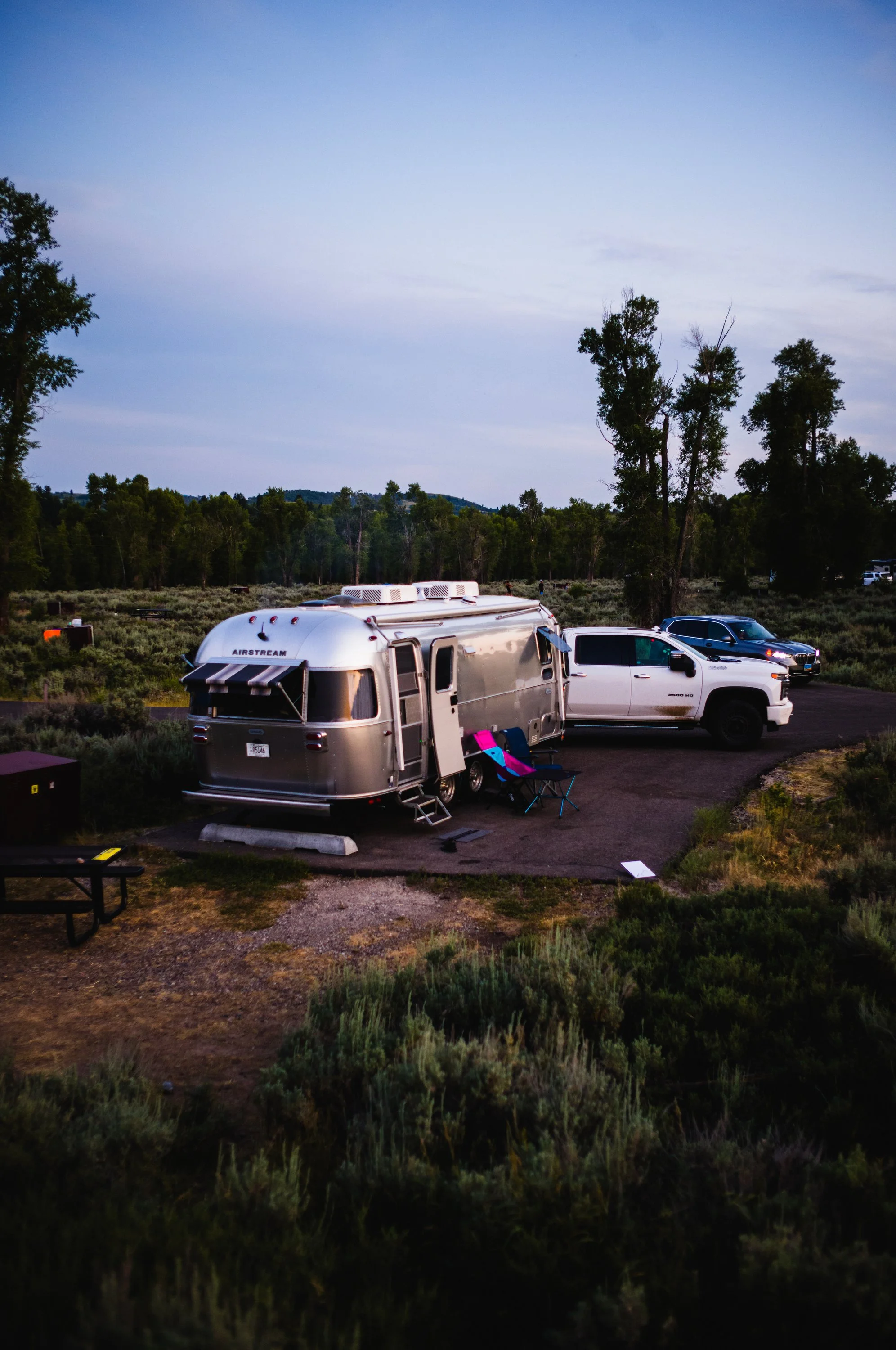
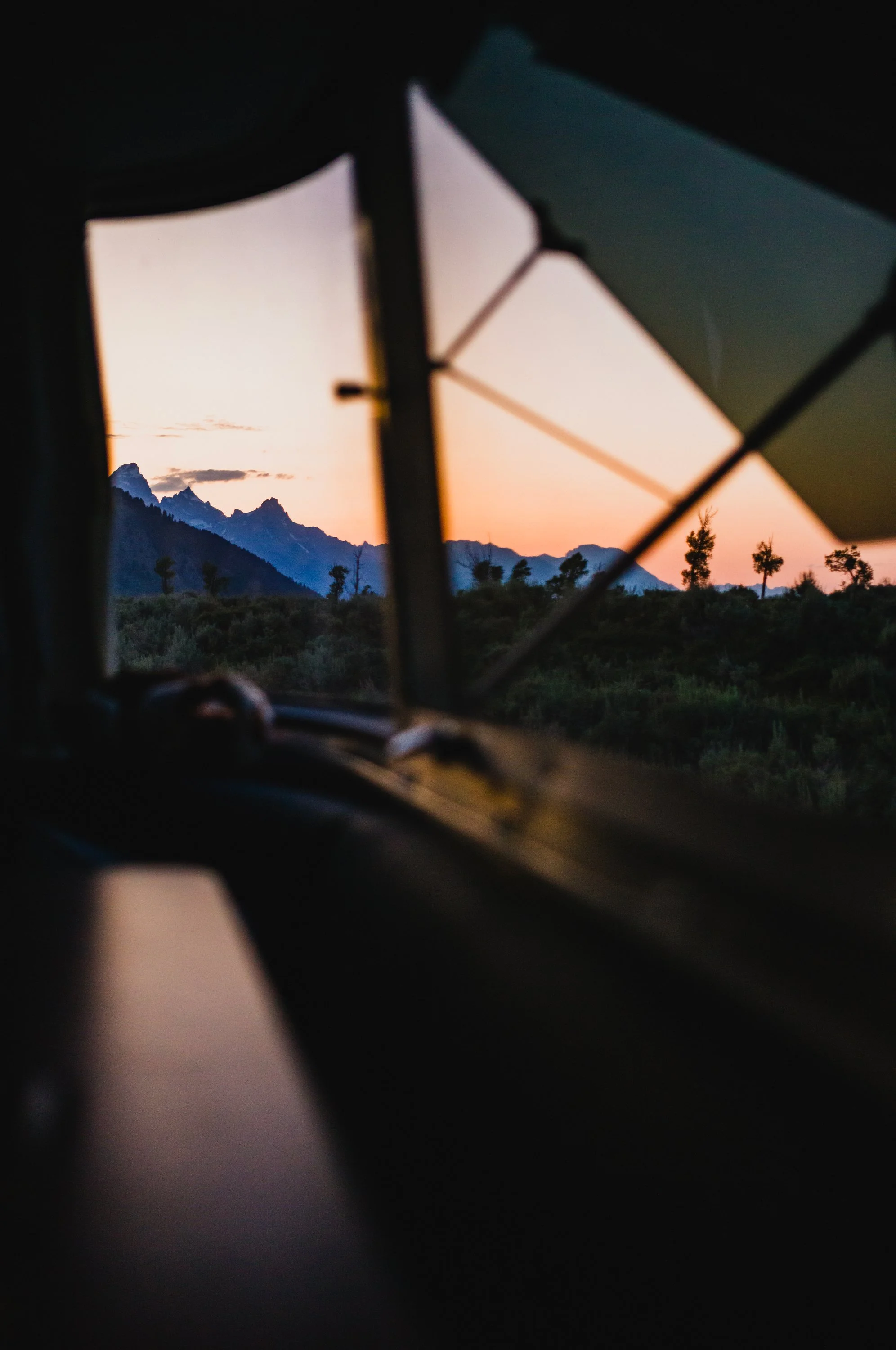
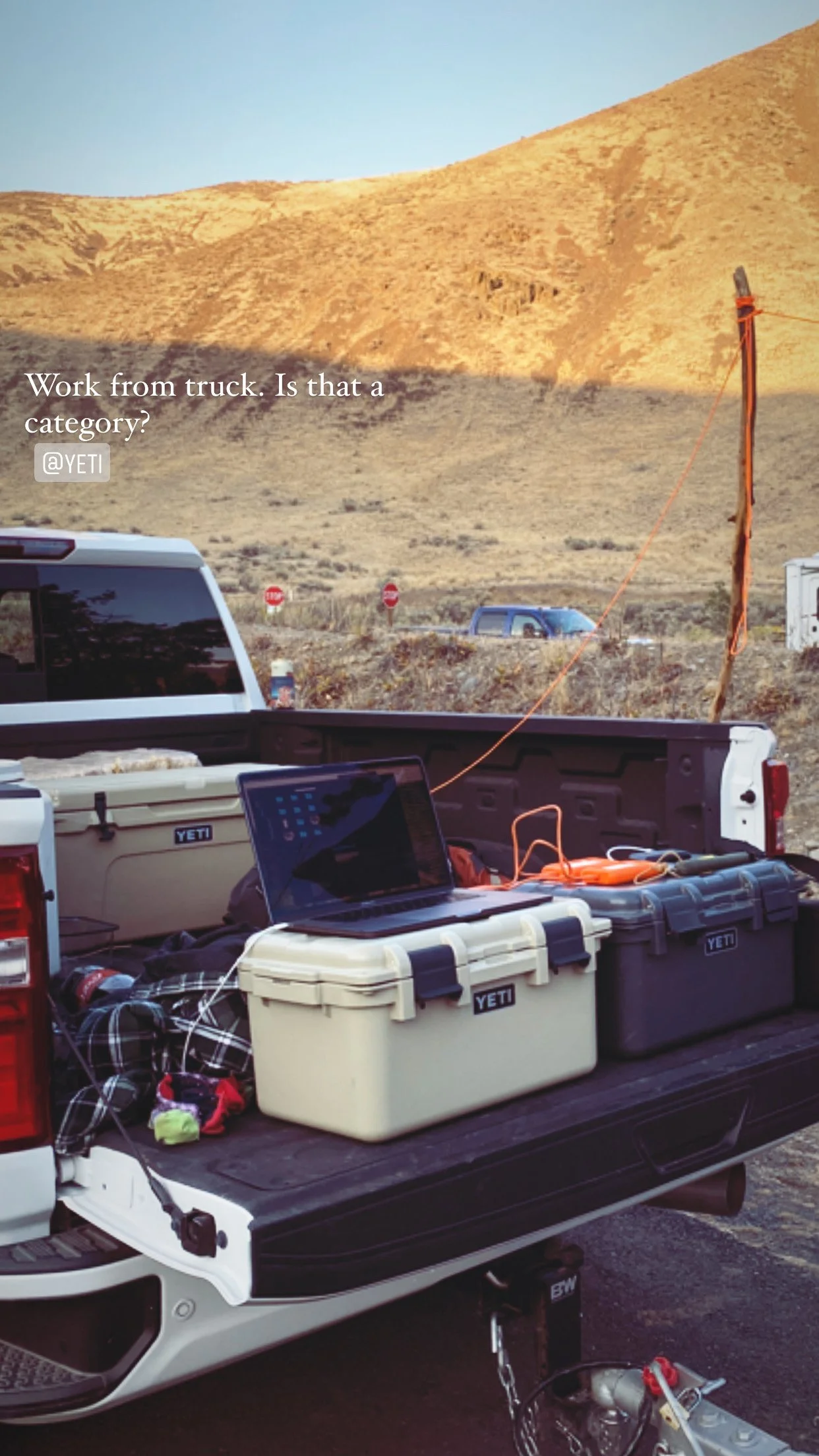

The Travel Library’s Boondocking Database // Looking for the best boondocking sites across The United States? I’ve been keeping a list of favorites - you can find them all in the members-only Travel Library, detailing full reviews, exact GPS coordinates and information from someone who’s actually been there before.
The importance of having a “oh shit” plan
No matter the state you travel to, the weather you encounter along the way, or just how many extra full-size spare tires you brought along for the ride - sooner or later your backup plan is going to become your new plan. When that inevitable “oh shit” moment hits, the alternate to being really prepared for it is not something you’re looking to experience. Without going overboard, you need a few options planned in advance to avoid the worst the road can offer - from getting stuck, to running out of water / power / gas / you name it.
Phone a friend - If you’re like me and have friends in low places, you like to think there’s always someone on the other end of the line ready to jump in a car and rescue your ass after a lesson in overestimating your own abilities off the grid. There’s a good chance that’s true, but phoning them in advance will yield far stronger results. Make sure you know what you’re signing them up for, on your own dime.
Buy your way out - The metallic credit card is useful in many instances, but off-the-grid you may want to toss in a few stacks of cash for unplanned encounters on the road. I would be remiss to admit that while I would much rather phone a friend, considering the remoteness of some of my adventures - buying your way out of trouble is usually the route you get forced into.
You’re a mechanic, now! - Almost always the first instinct when running around in an off-grid scenario - for those of us that read the user manuals (not I!) you may be in luck. A profound amount of perceived “disfunction” in my overland gear, equipment or the variety of rigs I’ve moved down the road in was due to user error. If you can spend just 30 minutes learning how your car, gear and equipment works and how to fix the bare necessities you’ll be far more prepared than most.
NOTE // As with all things on this website, I’m not sponsored and have ZERO affiliate deals with these companies. I’m telling you about these locations and gear from an editorial standpoint because I spent my own time and money traveling here to see for myself. That’s a far cry from most travel content where your eyeballs have already been bought and paid for. I maintain an always growing database of editorial and inspirational travel locations within the United States, including 50+ campgrounds and boondocking locations to visit - you can find The Travel Library linked here. Now go travel!